
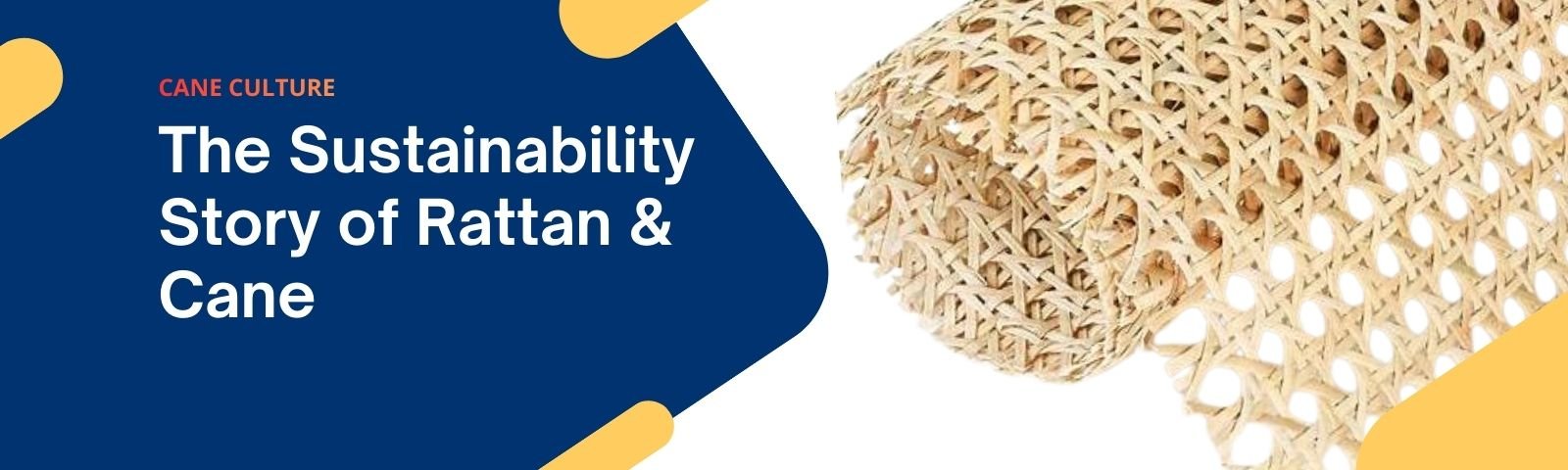
The Sustainability Story of Rattan & Cane: More Than Just a Trend
There’s a quiet question that comes up more and more when we shop for our homes now. You see a beautiful chair, a lovely lampshade, and for a moment, you picture it in your corner. But then the other thought creeps in: What is this really made of? Where will it end up?
We want our homes to be beautiful, but we don’t want that beauty to cost the earth. Literally. This is the tightrope we walk in a world full of plastic and disposable furniture. That’s where the story of rattan and cane begins—not as a new trend, but as an old, gentle answer to a very modern problem.
This isn’t just a sales pitch for a material. It’s a look at why choosing natural cane is one of the most quietly radical decisions you can make for your home. It’s about sustainable rattan in the truest sense of the word. Understanding cane webbing patterns for beginners also helps explain why certain weaves have lasted for generations as sustainable design choices.
It’s a Vine, Not a Tree: The Root of Sustainability
The first thing to understand is what rattan actually is. Most people think it’s wood. It’s not. Rattan is a climbing palm, a vine that grows in the tropical forests of Southeast Asia. It scrambles up the trunks of towering trees to reach the sunlight.
The first thing you need to know is what rattan is. People think it’s wood. No, it isn’t. Rattan is a vine that grows in the tropical forests of Southeast Asia and is a climbing palm. To get to the sunlight, it climbs up the trunks of tall trees.
This way of growing is what makes cane good for the environment. It’s a vine:
- It grows very quickly, sometimes several meters a year, which makes it a very renewable rattan resource. It’s more like trimming a healthy plant than cutting down a tree that has been around for a hundred years.
- It doesn’t need to cut down trees. A healthy forest that is still standing is necessary for a healthy rattan harvest. The rattan needs the trees it climbs to stay alive and healthy. This gives people a strong reason to protect the forest instead of cutting it down.
- It helps the trees in the forest breathe. It takes in carbon dioxide as it grows, just like all plants do. When you buy a rattan product, you’re bringing a small piece of that plant that stores carbon into your home.
When you compare this to the lifecycle of plastic or the slow growth of solid wood, the picture starts to get clearer. This is what makes eco-friendly cane furniture possible. Recent government-backed bamboo and cane initiatives further highlight the role of these materials in sustainable rural development.
The Handmade Link: From Harvest to Home
People still often move rattan from the forest to your living room. They cut the canes, sort them, peel them, and then weave them. This skill is an important but often overlooked part of the story of sustainability.
This work helps whole rural communities and keeps alive traditional skills that have been passed down for generations. When you buy a good rattan or cane item, you’re not just getting something; you’re also helping an artisanal supply chain. You’re voting for a system where things are made by people who care about them, not just sent to you from a factory. At Cane Culture, our connection to craft is at the heart of what we do. Our materials are naturally sustainable.
The End of the Story: What Happens When You’re Done?
This is the part most furniture companies don’t want you to think about. But it’s the most important chapter. What happens in 10 or 20 years when that piece has lived its full life?
A plastic chair, a synthetic fibre sofa, or a laminate table will likely end up in a landfill. It will sit there, slowly breaking down into microplastics, for hundreds of years. Its legacy is waste.
A piece made with natural cane webbing has a different destiny. At its end of life, if it can’t be repaired (which it often can), it is biodegradable cane webbing. Made of plant fibre, it can be composted. It will break down and return to the earth, completing the natural cycle. It leaves no toxic trail, no permanent scar.
This is the ultimate answer to “is rattan sustainable?” True sustainability isn’t just about how something is born; it’s about how it dies. Cane offers a clean, graceful exit.
Comparing the Real Costs of Rattan and Plastic
You might think you’re saving money when you see a cheap plastic patio set. But let’s do the real math: the audit of the rattan and plastic’s environmental impact.
Fossil fuels are used to make plastic. While artificial cane webbing offers durability in harsh outdoor conditions, it does not share the same end-of-life benefits as natural materials. It takes a lot of energy to make and pollutes the environment. It’s made to be cheap, not to last. It gets brittle in the sun, fades, and cracks after a few seasons. After that, it becomes a problem.
Good quality If you take care of rattan, it will last for decades. The cane chairs my grandma has are proof. They’ve been re-caned once, but the frames are still very strong. They have a past and a spirit. The initial cost is higher, but the cost per year and the cost to the planet are both much lower.
Choosing rattan isn’t just a style choice; it’s a step away from a culture of throwing things away. It’s a long-term investment in eco-friendly home decor materials.
How to Be a Conscious Consumer: It’s About Questions
Knowing that rattan can be sustainable is one thing. How do you ensure you’re buying the good stuff? You don’t need to be an expert; you just need to ask the right questions.
- Look for “Natural”: Ensure the core material is plant-based rattan or cane, not synthetic look-alikes. Products labeled as natural cane webbing or solid rattan are what you want. Choosing natural cane webbing ensures the material remains biodegradable and aligned with long-term sustainability goals.
- Ask About Source: Reputable sellers should be able to tell you about their sourcing. Is it from sustainably managed forests? At Cane Culture, we prioritize partners who understand this balance.
- Value Craftsmanship: A well-made, tightly woven piece will last much longer than a shoddy one. Durability is a cornerstone of sustainability. Buying one good thing that lasts is better than buying five cheap things that break.
- Think About Care: The most sustainable product is one you love and maintain. Keeping natural cane out of harsh direct sun and extreme wetness (for indoor pieces) will extend its life for generations
Conclusion
In the end, choosing sustainable rattan and cane is all about being in line. It’s about the deep joy that comes when your values and your sense of style are in sync. Your home is more than just a place to store things; it is a reflection of how you live your life.
The fact that the beautiful pattern of light coming through your cane lampshade comes from a material that helped keep a forest standing. It’s nice to know that your chair seat will one day go back to the ground it came from. It’s a small, daily link to a world that is smarter and more cyclical than the way we throw things away.
Sustainable living is all about that feeling of beauty without guilt and style with substance. And it can start with just one carefully chosen piece.
Are you ready to bring that story home?
Look through our selection of handmade and natural cane webbing. Choose beauty that comes from respect—for the craft, the people who make it, and the earth itself. Exploring a natural cane materials collection makes it easier to choose pieces that reflect both environmental values and timeless design.
Frequently Asked Questions
Isn’t harvesting rattan bad for the rainforest?
When done recklessly, yes, it can be. But when managed properly—harvesting mature stems and leaving the plant and host trees to regenerate—it’s a model of agroforestry. It gives the forest economic value standing up, which is the best defence against it being cleared for other uses.
What about the glue and finishes used?
This is a sharp question. A truly sustainable product uses non-toxic, water-based glues and natural oil or wax finishes. It’s something we are meticulous about in our own workshop. Always ask if the finishes are eco-friendly.
Is all “wicker” sustainable?
No. “Wicker” refers to the weaving technique, not the material. It can be made from sustainable rattan, but also from plastic or unsustainable woods. Always check the material first.
Can I make my existing furniture more sustainable?
Absolutely! This is one of the most powerful things you can do. Restoring an old chair frame with new biodegradable cane webbing is the pinnacle of sustainable decor. You’re saving a piece from landfill and giving it a new life with a natural material. It’s circular design in action.

2 comments
Pingback:
Cane Webbing for Outdoor Furniture Weatherproof GuidePingback:
Creative Cane Webbing Decor Ideas Beyond Furniture