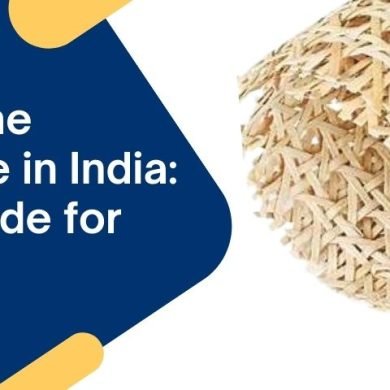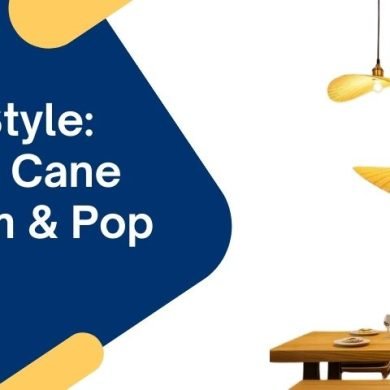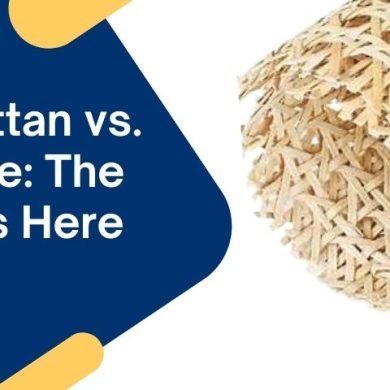

Cane Webbing for Commercial Spaces: The Smart Choice for Cafes, Hotels & Restaurants
Let’s talk about the first five seconds. A customer walks into your cafe, your restaurant lobby, or your hotel lounge. Before they taste the coffee, before they check in, before they see the menu—they feel the space. That feeling decides everything. Is this place inviting? Is it special? Is it somewhere they want to stay, to post about, to come back to?
This is where decor stops being just decoration and becomes a revenue tool. The textured, warm, effortless vibe of cane and rattan is dominating hospitality design for a reason. This popularity also reflects the long history of traditional cane craftsmanship that has shaped hospitality design across many regions. It whispers “relax,” “escape,” “experience.” It photographs beautifully. It makes people feel good.
But as a business owner, your next thought isn’t about aesthetics. It’s about survival. Will this survive? Will it handle the spilled latte, the monsooned balcony, the constant scrape of chairs, and the relentless Indian sun? Can it handle the 14-hour day, seven days a week?
This guide isn’t about selling you a trend. It’s about providing the blueprint for using cane webbing for commercial furniture as a strategic, durable, and profitable design choice.
Why Cane? The Business Case for Warmth
Forget “boho” as just a style. In commercial terms, it’s a calculated atmosphere. In a world of cold concrete, glass, and steel, natural texture is a premium. It’s an instant differentiator.
- The Instagram Effect: A boho cafe interior design featuring woven textures is inherently photogenic. It encourages user-generated content—free marketing that money can’t buy.
- The Comfort Factor: Cane is breathable. A chair with a cane back doesn’t get hot and sticky, a small but critical comfort for guests lingering over a meal or a coffee.
- The Light Play: Cane filters light beautifully, creating a dappled, ambient glow in the day and a soft, patterned warmth from interior lights at night. This reduces the harshness of overhead lighting and creates mood—a key element in restaurants and bars.
The Material Decision: Artificial vs. Natural for Commerce
This is the most critical choice you will make. For residential use, it’s a preference. For commercial use, it’s a specification.
Natural Cane Webbing: The Controlled Application
- Best For: Indoor, low-traffic accent areas. Think: the backs of banquettes in a fine-dining area, decorative wall panels in a hotel corridor, headboards in a boutique hotel room.
- The Why: It offers the ultimate authentic look and feel. High-quality natural cane webbing works best in indoor decorative installations where authenticity and texture matter most. It is biodegradable and has an unmatched organic character.
- The Reality Check: It is a natural plant fibre. It responds to humidity (can slacken), is susceptible to direct sunlight (can fade/brittle), and requires more careful cleaning. It is not suitable for high-spill zones (bars, casual dining tabletops) or any outdoor application.
Commercial Grade Artificial Cane Webbing: The Workhorse
- Best For: Everything else. This is the true commercial grade cane webbing. Specifically engineered from high-performance polymers (like PVC or HDPE). Artificial cane webbing is widely specified in hospitality interiors because it combines the woven aesthetic with superior durability.
- The Non-Negotiables it Delivers:
- Waterproof & Stain-Resistant: Spills wipe off. It can be hosed down for outdoor dining furniture. No absorption, no swelling, no mold.
- UV-Stabilized: It will not fade or become brittle in direct sunlight, making it the only choice for balconies, poolside areas, or sun-drenched patios.
- Extreme Durability: It doesn’t sag or lose tension. It withstands temperature fluctuations and physical abrasion far better than natural cane.
- Low & Easy Maintenance: Your staff can clean it with a damp cloth and mild detergent. No special oils, no re-tightening.
- Batch Consistency: When you order 50 chair seats, the color and weave will be identical. This is impossible to guarantee with natural cane.
For 95% of commercial applications—from restaurant booth backs to hotel lounge chairs—artificial cane webbing is not just an option; it’s the only responsible specification
Design Applications That Work (And What to Avoid)
High-Impact, High-Return Uses:
- Banquette Backs & Booth Dividers: Instantly adds texture and a sense of intimacy to seating. Using an open weave (like French pattern) maintains sightlines for staff while adding visual interest.
- Chair Backs & Seats: For indoor chairs, a tight natural or synthetic weave adds comfort and style. Understanding the basics of cane webbing installation helps ensure that commercial seating maintains proper tension and longevity. For outdoor chairs, synthetic is mandatory.
- Room Dividers & Screens: Perfect for breaking up large spaces in cafes or hotel lobbies without blocking light. Creates semi-private nooks.
- Lighting: Large rattan pendant lights over communal tables or bars create a stunning focal point and warm ambiance.
- Accent Walls & Ceiling Clouds: Makes a powerful brand statement in an entrance or feature wall
Be careful:
- Table Tops: Even though they are made of synthetic cane, they are not a good surface for eating on. You can use it as a decorative layer under a glass top.
- High-Impact Kick Zones: Think about using a solid material or a protective rail on the front of a bar or booth base.
The Talk About Compliance: Safety and Standards
This is where amateur sourcing goes wrong. Commercial spaces have to follow the law.
- Fire Codes: Commercial spaces often have to follow certain fire retardancy (FR) standards for upholstered furniture and wall coverings. This is a must for occupancy permits. You need to ask your supplier, “Can you give me a fire retardant certificate for this webbing?” At Cane Culture, we sell commercial-grade synthetic webbing that comes in FR-treated options to help you meet these important needs.
- Structural Integrity: The webbing needs to be put on a frame that is made for business use. The substrate and how it is installed are just as important as the material itself. We work with fabricators to make sure that the whole assembly is right for the job.
The Total Cost of Ownership (TCO) Study
A business owner doesn’t see a price per square foot. They think of it as an investment for 5 to 10 years.
- Cheap Natural Cane (Wrong Use): Low cost up front. In a busy cafe, there is a high chance that it will sag, stain, or break down in one to two seasons. Causes complaints from customers, ugly repairs, and the need to replace things sooner. A lot of TCO.
- Premium Artificial Cane (Right Application): The materials cost more up front. Withstands daily use, is easy to clean, and keeps its look for five years or more without any downtime. Keeps your venue looking its best. Lower TCO.
- The Labor Factor: Synthetic cane is easy to clean, which cuts down on daily maintenance time. Strong material cuts down on the need for frequent re-webbing.
The business case is clear: buy the right material once.
A Guide for Procurement on Sourcing for Scale
You’re not doing a DIY project when you have to furnish 50 seats. You’re in charge of a supply chain.
- Request Large-Format Rolls: Make sure your supplier can give you wide, continuous rolls so that there are fewer seams and less waste on big pieces like banquettes.
- Get real samples: Don’t just buy from a picture on the internet. Try out the sample. Put coffee on it. Let it sit in the sun. Give it a try and rip it. Check the color and weave in the light you have.
- Get a Bulk Quote with Guaranteed Batch Matching: Make sure your quote says that all of the material comes from the same production batch so that the colors don’t change.
- Give your fabricator clear instructions: Give them the technical data sheet, which includes the type of material, the width, the fire rating, and how to clean it. This makes sure that they build and install the frame correctly.
Conclusion
Your space is the physical signature of your brand. The materials you choose leave a mark in ink that either fades or lasts.
Picking the right cane webbing is a choice that requires both design sense and practical knowledge. It’s about making a space that makes people want to come in and a material that can handle the work of serving them every day.
It’s not only furniture. It’s a key part of how your customers feel about your business. And that experience is what you do for a living.
Are you ready to specify with confidence?
Ask for a formal commercial quote for the amount of work you need done. Our team will give you customized prices, technical data sheets, and samples of the materials. Exploring commercial cane webbing materials in one place makes it easier to compare options and plan large hospitality installations.
Frequently Asked Questions
We have a coastal restaurant. Will salt air damage synthetic cane?
Quality UV-stabilized synthetic cane is highly resistant to salt corrosion. It is the recommended material for coastal properties, far superior to natural cane or metals that will rust.
How do we clean it after a busy night?
For synthetic cane: A soft brush to dislodge crumbs, followed by a wipe with a cloth dampened with a mild soap solution. For greasy residues (near a kitchen pass), a degreaser can be used. Rinse with a damp cloth. It is that simple.
Can you supply directly to our furniture manufacturer?
Yes. We routinely work with commercial furniture makers and interior fit-out companies. We can drop-ship bulk orders of commercial grade cane webbing directly to their workshop with all necessary technical documentation.
What is the lead time for a bulk order of a custom size?
This varies. Standard roll sizes are typically in stock. For custom widths or specific fire-rated batches, lead times will be communicated upfront. Planning this into your project timeline is essential.