

How to Install Cane Webbing: A Step-by-Step DIY Guide
There’s a special joy in fixing something with your own hands. Restoring an old chair with a new seat is one of the best feelings. Installing cane webbing looks hard, but it’s not. With the right guide, anyone can do it. This is your simple, step-by-step map. Let’s turn that tired chair into a treasure.
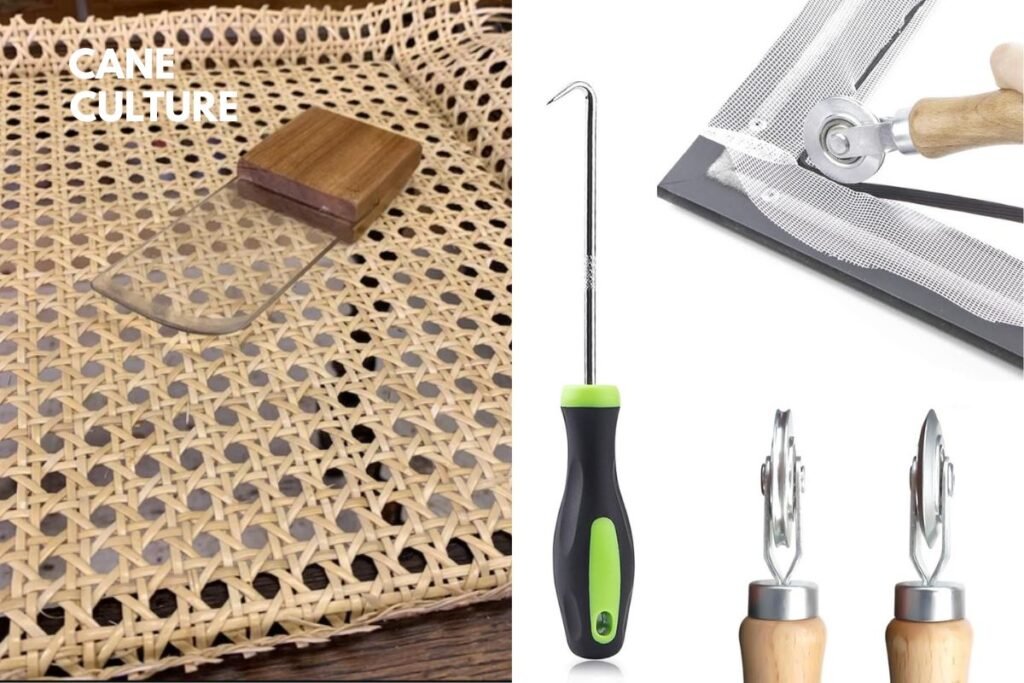
Tools and Materials You’ll Need
You must gather your supplies first. Being prepared is the first step to success. Here is your shopping list.
- Cane Webbing Roll: The main material. Get enough for your project.
- Cane Spline: A thin reed that locks the webbing in place. Do not skip this.
- Wood Glue: Helps secure the spline in the groove.
- Spline Roller: The most important tool. It presses the webbing down.
- Small Hammer: For tapping the spline into the groove.
- Utility Knife: Very sharp, for trimming.
- Flat-Head Screwdriver: Helps fix mistakes.
- Pencil and Tape Measure: For marking and measuring.
- Spray Bottle with Water: Essential for Natural Cane Webbing
- Safety Glasses: Always protect your eyes.
You can find the core materials like cane webbing rolls and cane spline at Cane Culture. Getting everything from one place saves time.
Pre-Installation Checklist
Don’t rush. These three steps set you up for a perfect cane webbing installation.
1. Measure Your Frame Accurately
You need the right size. Don’t measure the whole chair seat. Measure the inner part of the groove. Take the length and width inside that channel. Write these numbers down. This tells you how big your cane webbing piece needs to be.
2. Cut Your Webbing
Now, cut your material. Use your measurements. Add two inches to both the length and width. This extra gives you room to work. A larger piece is easier to handle than one that’s too small. Use sharp scissors for a clean cut.
3. Prepare Natural Cane Webbing
This step is crucial for a diy cane webbing project with natural material. Fill a tub or tray with room-temperature water. Soak your cut piece of natural cane for five to ten minutes. It will become soft and flexible. This stops it from cracking when you bend it. If you are using Artificial Cane, you can skip this. It does not need soaking.
The Step-by-Step Installation Process
Follow these steps in order. Take your time. This is the core of your cane webbing tutorial.
Step 1: Dry Fit the Webbing
Take your damp, flexible webbing. Lay it over the frame. Make sure the pattern is straight. The corners should hang over evenly on all sides. This “dry fit” shows you how it will look. It lets you adjust before anything is permanent.
Step 2: Start Securing with Spline
Start on one long side of the frame. Squeeze a thin line of wood glue into the groove. Take a short piece of your cane spline. Use your fingers to press it into the starting corner. Hold the webbing in place with your other hand. Now, take your small hammer. Gently tap the spline down into the groove. Just do a few inches to get it started.
Step 3: Work Your Way Around the Frame
Here is the main action. Hold your spline roller in your dominant hand. Use it to push the damp webbing down into the groove. Roll it firmly along the channel ahead of the spline. As you roll, the webbing tucks in. Now, tap the spline into that section with your hammer. Move a few inches, then repeat: roll, then tap. Go all the way around the frame this way. Keep the webbing pulled snug as you work.
Step 4: Corners are Key
Corners can be tricky. The goal is a neat fold. As you approach a corner, stop. Make a single, small cut into the excess webbing toward the corner. This “relief cut” lets the material fold smoothly, like wrapping a gift. Fold it neatly, then use your roller and hammer to secure the spline around the corner. Take your time here for a clean look.
Step 5: Trim the Excess
Walk away. Let the glue set for at least one hour. Once it’s dry, come back for the final touch. Put on your safety glasses. Take a sharp utility knife. Carefully trim the extra webbing flush against the spline. Hold the blade flat against the seat and pull gently. You will be left with a clean, professional edge.
Pro Tips for a Flawless Finish
- Work on a Stable Surface. A wobbly table makes the job harder.
- Keep it Damp. If your natural cane starts to dry while you work, mist it with your spray bottle. Flexible cane is happy cane.
- Fix Mistakes. If a section looks loose, don’t panic. Use your flat-head screwdriver to gently pry up that part of the spline. Re-apply a little glue, re-roll the webbing, and tap the spline back in.
- Patience is a Tool. Let the seat dry fully for 24-48 hours. As it dries, the fibers shrink and contract. This creates the final, drum-tight finish you want. The how to fit rattan webbing magic happens as it dries.
Conclusion
Look at what you’ve done. You took an old frame and gave it new life. You learned a skill, saved money, and created something beautiful. The same weaving techniques can also be applied to Cane lighting projects like lamp shades and decorative fixtures. That chair now has a story—it was restored by you.
The secret to a great result is simple: take your time, and use good materials. Every step, from measuring to that final trim, builds toward a perfect finish.
Get Everything You Need for Your Next Project
Ready to start? You don’t need to search ten different shops. A single shop that offers complete cane weaving materials makes it easier to match webbing, spline, and tools correctly. At Cane Culture, we provide everything for your diy cane webbing success. We have premium natural and artificial cane webbing, strong spline, and the right tools like rollers.
Bring your next restoration idea to life with confidence. Explore our collection and find the perfect materials for your project.
Frequently Asked Questions (FAQs)
How long does it take for the cane webbing to dry and tighten?
Give it at least two full days. The drying and tightening process is slow. Don’t sit on the chair before 48 hours have passed.
Can I use a different material instead of a cane spline?
No, I would not recommend it. The spline is specially made for this job. It has the right flexibility and strength. Anything else might not hold securely or could damage the groove.
My cane webbing is loose after installation. What did I do wrong?
This usually means the webbing wasn’t pressed deep enough into the groove. The spline is sitting on top of it, not locking it in. You can fix it. Carefully lift that section of spline, press the webbing down properly with your roller, and re-install the spline.
Where can I buy a spline roller in India?
Using the right tool makes all the difference. You can find quality tools like the spline roller along with all your materials at our Cane Culture store. Check our collection to get everything you need in one place.
Is it hard to replace a cane chair seat?
Not if you follow these steps. The process for a replace cane chair seat project is exactly what we’ve outlined. Take it step-by-step. Your first one might take an afternoon, but you’ll learn fast.







3 comments
Pingback:
Cane Webbing DIY Projects: Easy Cane Decor Ideas GuidesPingback:
Top 5 Cane Weaving Tools Every Cane Weaver Needs Guide!Pingback:
Beginner Guide to Cane Webbing Patterns Explained Ideas