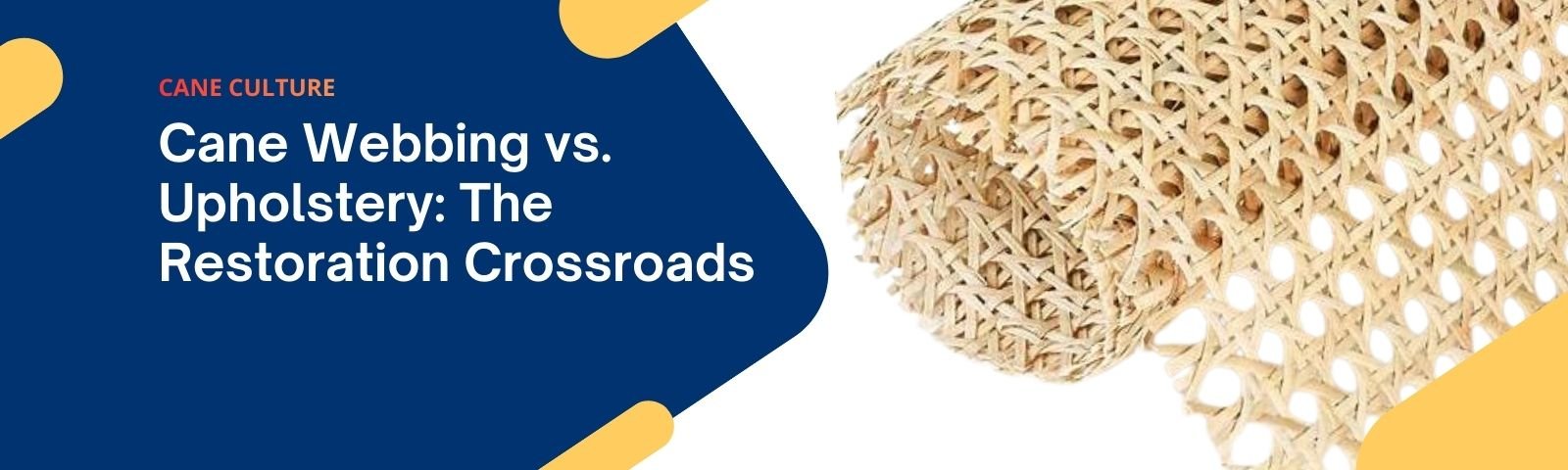
Cane Webbing vs. Upholstery: The Restoration Crossroads
You have the chair. Maybe it’s from a grandparent’s house, maybe you found it on the curb, its potential screaming louder than its broken seat. You know it needs work. But here, you hit the fork in the road. One sign points toward cane webbing—that classic, woven look. The other points toward upholstery—plush, padded, and soft.
This isn’t just a choice of fabric versus fiber. It’s a choice between two different philosophies of comfort, history, and care. Picking the wrong path can leave you with a chair that feels inauthentic, uncomfortable, or just plain wrong.
I’ve been at this crossroads. I once reupholstered a perfectly good cane-seat chair because I thought it would be “cozier.” The result was a chair that looked bloated and lost its elegant silhouette. I learned the hard way: this decision needs a strategy.
Let’s be your guide. We’ll walk through each path not with bias, but with clarity, so you can choose the future your chair deserves.
The Main Point: It’s Not “Better,” It’s “Right For”
Don’t worry about putting them in order. You can think of them as tools for different jobs.
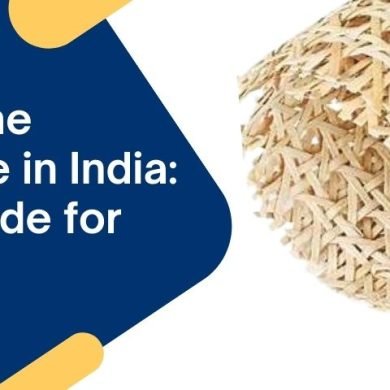
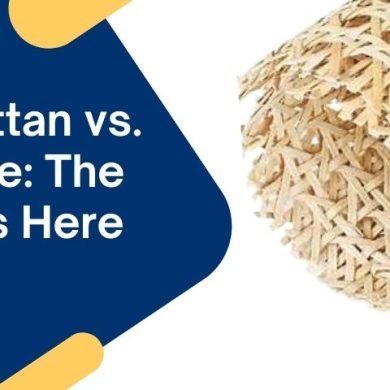
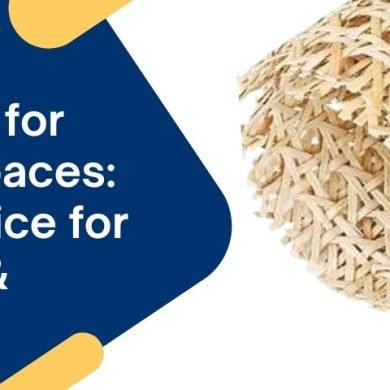
- Cane Webbing is a material that lets air through, is strong, and has a rough texture. It’s about support, lightness, and pattern.
- Upholstery is a soft, cushioned material that wraps around things. It’s all about comfort, color, and softness.
The right choice is where your chair’s bones, your body’s needs, and your room’s soul meet.
The Case for Cane Webbing: Honest, Light, and Breezy
When it’s the Best Choice:
- The Chair is Begging for It: Cane was used to make antique, Victorian, Edwardian, mid-century modern, and Scandinavian chairs. The frames are light and elegant, and there is a groove cut into them to hold the spline. Re-caning them isn’t an option; it’s a return home. Using natural cane webbing restores the chair in the way it was originally designed to function and look.
- You Want to Breathe: A cane seat is a lifesaver in hot weather or for long meals. It doesn’t hold in heat. It stays cool and lets air flow, which makes it very comfortable to sit on for long periods of time.
- You like lightness in your visuals: Cane is see-through. It doesn’t get in the way of the chair’s design or make it look heavy. It adds a lot of texture while still feeling light and open, which is great for small spaces or rooms where you want the furniture to feel less heavy.
- You want historical accuracy (and value): Original materials are important for restoring antiques. A professionally re-caned period chair keeps or raises its value. Upholstering it can erase its history and make it less valuable to collectors.
- You like living with little upkeep: spills? Dust? Cane is easy. It just needs a quick brush or a wipe with a cloth that is only a little damp. It doesn’t get dirty like fabric does and it doesn’t hold dust mites like padding does.
The Trade-offs to Accept:
- It’s Firm: It is a supportive seat, not a plush one. It gives slightly under weight but is not cushioned.
- It Requires Specific Skill: While learnable, installing cane webbing properly with a spline is a specific craft. A bad job leads to a saggy seat.
- Climate Sensitivity (Natural Cane): In very dry conditions, it can become brittle; in very damp, it can slacken. It’s primarily an indoor material.
In environments where humidity or heavy use is a concern, artificial cane webbing can offer a more stable alternative.
The Case for Upholstery: Plush, Colorful, and Soft
When it’s the Perfect Choice:
- The Chair is Begging for It: Overstuffed armchairs, wingbacks, and heavily padded dining chairs from certain eras were born to be upholstered. Their frames are robust blocks built to support padding and fabric.
- Comfort is Your Non-Negotiable: If you want to sink in, if you need lumbar support, or if the chair is for long lounging or sensitive seating, upholstery is the answer. Foam and down mold to the body.
- You Want a Bold Color or Pattern Hit: This is upholstery’s superpower. It’s your chance to inject a major dose of color, personality, or dramatic pattern into a room. A cane seat brings texture; fabric brings a palette.
- You Need to Modernize or Disguise: A sturdy but plain or dated wooden frame can be utterly transformed with a great fabric and modern cushion shape. It’s a more radical makeover.
- The Frame is Damaged or Ugly: Upholstery is fantastic at hiding a multitude of sins—ugly wood, repairs, stains on the frame. It’s a full cosmetic cover-up.
The trade-offs you need to make are:
- It’s more work to keep up with: fabric stains, fades, and collects dust and smells. It might need to be cleaned by a pro or replaced.
- It Adds Visual Weight: Padding makes a chair look bigger and more solid. In a room, it can feel “heavier.”
- It Can Be Costly: Good fabric costs a lot, and professional upholstery work is very skilled and costs a lot as well. When it comes to DIY, the cost of recaning is often lower than that of reupholstering.
The Decision Matrix: Ask Yourself These Questions
Be brutally honest with your answers.
- What is the Chair’s Original Design? (Most Important)
- Does it have a visible groove for spline? → Cane.
- Is it a solid, padded frame? → Upholstery.
- Is it a simple, open frame? → Could go either way. Keep reading.
- What is the Primary Use?
- Dining chair, desk chair, occasional seating in a hot climate? → Leans Cane.
- Lounge chair, reading chair, primary living room seating? → Leans Upholstery.
- What’s Your Comfort Priority?
- Supportive, cool, firm seating? → Cane.
- Soft, plush, enveloping seating? → Upholstery.
- What’s Your Maintenance Tolerance?
- Wipe and go? → Cane.
- Don’t mind careful cleaning/avoiding spills? → Upholstery.
- What’s Your Budget & Skill?
- Budget-conscious and willing to learn a new skill? → Cane (DIY) can be very economical.
- Budget for professional labor and premium materials? → Both are possible.
Cost Breakdown: A Realistic Look
- Cane Webbing (DIY): Low-to-mid material cost (webbing, spline, glue). Higher investment in time and learning. The seat can be re-done multiple times over the chair’s life.
- Cane Webbing (Professional): Moderate labor cost + materials. A skilled craft.
- Upholstery (DIY): High material cost (good fabric, foam, batting, tools) and very high skill ceiling. Easy to do poorly.
- Upholstery (Professional): Highest cost. Premium fabric alone can eclipse the cost of a professional caning job.
Often, reupholstering or recaning a chair comes down to this: professional upholstery is typically the most expensive route. DIY caning is often the most cost-effective path to a professional-looking result.
The Hybrid Solution: The Best of Both Worlds?
Don’t overlook compromise. For a wooden frame that needs more comfort, consider:
- A Cane Seat with a Detachable Cushion: Get the beautiful cane texture and breathability, and add a thin, tailored cushion in a fun fabric for meals. Remove it to showcase the cane.
- Upholstered Seat, Cane Back: Common in dining chairs. Provides a soft seat where you want it and a light, breathable back.
Many designers apply the same thinking when choosing the right bamboo lampshade to balance texture, light, and comfort in a space.
Conclusion
Your chair has a voice. Its design, its lines, its history are all telling you what it wants to be.
If it’s light, elegant, and has fine lines, it’s probably whispering for cane. If it’s sturdy, solid, and built like a fortress, it’s likely calling for upholstery.
This isn’t about imposing your will on an object. It’s about collaborating with it to uncover its best, most functional self. Choose the path that honors its past and suits your present. Adding complementary cane lighting pieces can further highlight the natural texture and craftsmanship in your restored furniture. That’s how you don’t just fix a chair—you give it a new life.
Ready to answer the call of the cane?
If your chair’s story points to cane, we have the authentic materials to do it right. Explore our cane webbing rolls, spline, and tools to begin a restoration that honors history.
Still standing at the crossroads? Send us a clear photo of your chair. Our team can offer a free, experienced opinion on which path suits it best.
Browse cane restoration materials to find the webbing, spline, and tools needed to bring your chair back to life.
Frequently Asked Questions
I have a mid-century chair with a cracked plastic seat. What now?
This is a classic! Those chairs were often designed for cane webbing. Removing the plastic and revealing the groove underneath is a revelation. Caning it is almost always the most authentic and beautiful restoration.
Will a cane seat hurt to sit on for long periods?
It’s different, not painful. It’s like the difference between a firm wooden bench and a soft sofa. It’s supportive and keeps you cooler. For many, it’s more comfortable for long periods at a table than a hot, padded seat.
Can I upholster over an old cane seat?
Technically, yes. Ethically and practically, it’s often a bad idea. You’re adding weight and stress to a structure not designed for it, and you’re burying a beautiful, repairable material. It’s the restoration equivalent of putting vinyl siding over original brick.
How do I know if my chair frame is strong enough for caning?
The groove is the tell. If it exists and is intact, the frame was made for it. The frame itself should be solid, without wobble. Cane puts tension on the frame, so it needs to be sound.